Biodiversity
Gardens that respect nature
Living spaces in balance
“We are aware that nature has given us an incredible place, endowed with riches that it is our duty to preserve. The gardens of Château de Vullierens welcome thousands of visitors every year. Admired for their beauty and the diversity of their trees and flowers, our grounds also tell the story of biodiversity. In a desire to offer gardens that are as beautiful on the outside as they are on the inside, Château de Vullierens has been committed since 2019 to promoting wildlife by providing resources and refuges for the animal and plant species that together contribute to the balance of our gardens.”
The Châtelain
Live and let live
With its 100 hectares of land, forests, and gardens, Château de Vullierens is home to a rich variety of flora and fauna that is essential to the preservation of species and nature. Since their creation in 1950, these gardens have been synonymous with landscape and biodiversity conservation, one cannot exist without the other. An existing natural biotope has been enriched since 2019 by the creation of tailor-made habitats designed to accommodate mainly eight species of insects and animals. This environmental project is set to grow in the coming years and is necessary, useful, and educational. The Château de Vullierens aims to raise awareness among its visitors about the preservation of biodiversity, inspiring and informing them through the presence of volunteer guides who will be on hand in the gardens from April to October.
Balanced living spaces
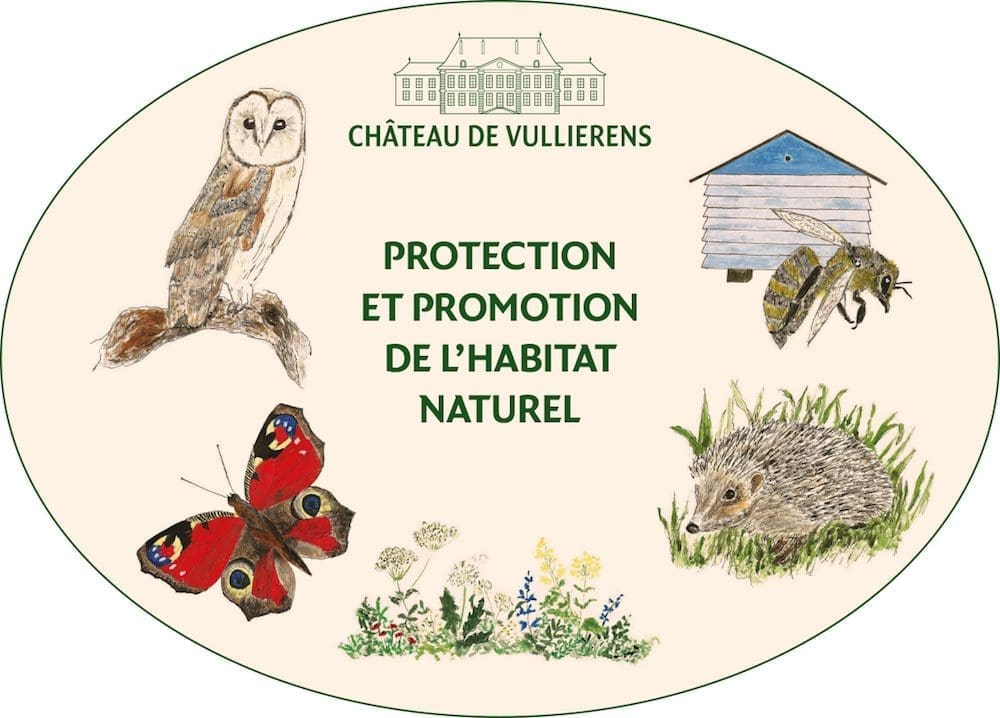
To date, the art of biodiversity at Château de Vullierens is represented by eight different species, each playing a role in the balance of its gardens.
Owls and birds
Three nesting boxes installed around the Château are intended to accommodate barn owls (Tyto alba). This protected species will live alongside other bird species, such as robins, blue tits, chaffinches, nuthatches, and green woodpeckers, thanks to the 55 small nesting boxes recently installed in preparation for the upcoming spring nesting season. The Château collaborates with the University of Lausanne, whose researchers monitor these nesting sites several times per season.
Butterflies, dragonflies, and damselflies
The ecological richness of a garden can be measured by the presence of indicator species such as certain butterflies. The gardens of Château de Vullierens are already home to numerous families of lepidoptera, such as Nymphalidae (Vanessa cardui, Inachis io) and Papilionidae (Papilio machaon), and will see new species introduced in 2020. To promote diversity, the Château gardens feature a wide variety of plant species, including plants that attract butterflies, such as sedum, lavender, and heather. Some plants serve as hosts for the reproduction and feeding of caterpillars, while others are visited only by adult butterflies for their nectar.
There are 80 species of dragonflies in Switzerland. The eggs and larvae develop in water, while adult dragonflies live on land, requiring different and interconnected habitats. The moats and secret garden of the castle are perfectly suited habitats that are home to numerous dragonflies and damselflies (Cordulegaster boltonii and Aeshna affinis). In order to enrich the species already present, new ones will be introduced by adding eggs and larvae.
Bees and beneficial insects
The diversity of our plantations allows for maximum flowering, thus meeting the needs of bees throughout the year. In order to promote ideal conditions in the spring after their hibernation period, Château de Vullierens will install several beehives in the coming years. Their purpose is primarily ecological and educational, aiming to provide bees with a suitable environment rather than introducing intensive farming with the sole objective of producing honey.
An observation area will allow visitors to understand how a beehive works by immersing themselves in the heart of it. To ensure the diversity necessary for the life and preservation of bees, different nesting areas will be created for both bumblebees and mason bees.
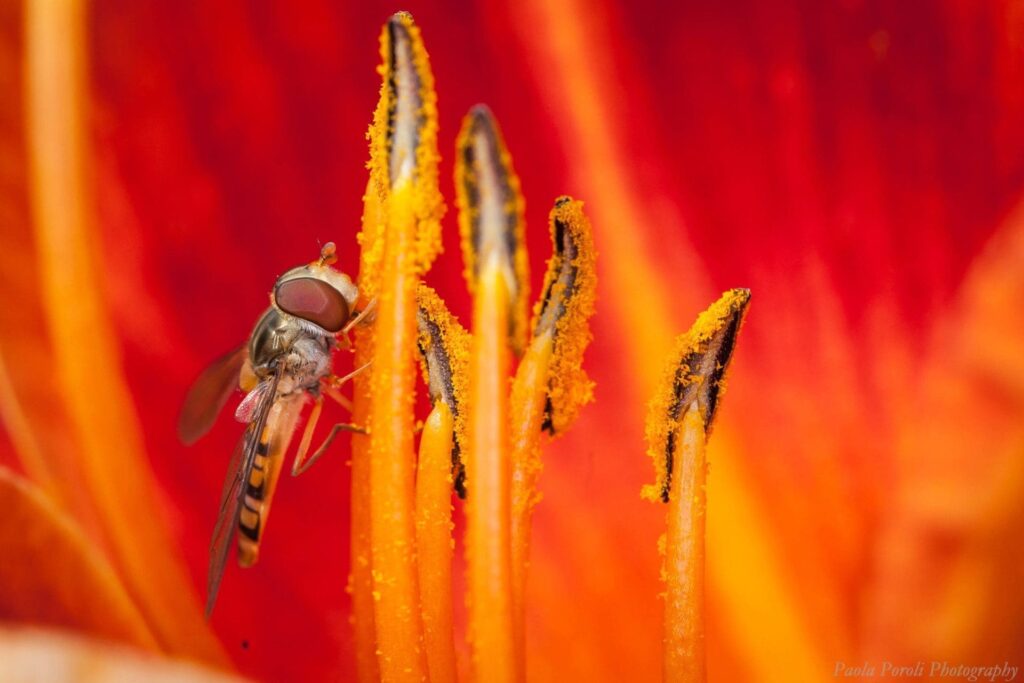
Insects represent the most species-rich class in the animal kingdom, accounting for nearly 60% of all animal species. They play an essential role in the preservation and survival of other species. Thanks to the creation of a dozen insect hotels, the Château’s gardens will encourage the settlement of beneficial insects such as ladybugs, butterflies, bees, earwigs, lacewings, and beetles, and promote their survival during the winter. These insects will not only pollinate plants but also combat pests. With its refuges, the Château de Vullierens is working with, not against, nature.
Hedgehogs and amphibians
Hedgehogs have been around for over 60 million years, but they are increasingly threatened and need new refuges. The Château de Vullierens offers them protected areas and shelters for nesting and hibernating. In return, these small omnivorous mammals are excellent helpers, playing an essential role in biodiversity and helping to preserve the balance of green spaces. In order to increase the number of breeding adults and ensure the survival of the species, Château de Vullierens is working with the association SOS Hérisson and has already released several adult males into the small wood at the end of the bridle path.
The Château’s wetlands, the moats and the Secret Garden have always been home to several species of toads and frogs. In order to increase their numbers and provide them with an environment conducive to their development, the pond in the small wood will soon welcome new amphibians.
A long-term commitment
By offering diverse and safe resources and refuges, Château de Vullierens promotes wildlife, preserving animal and plant species that together contribute to the balance of its gardens.
Because beauty is cultivated first and foremost from within.